
How to Respond to a Natural Disaster (Flood, Wildfire, Tornado or Other)
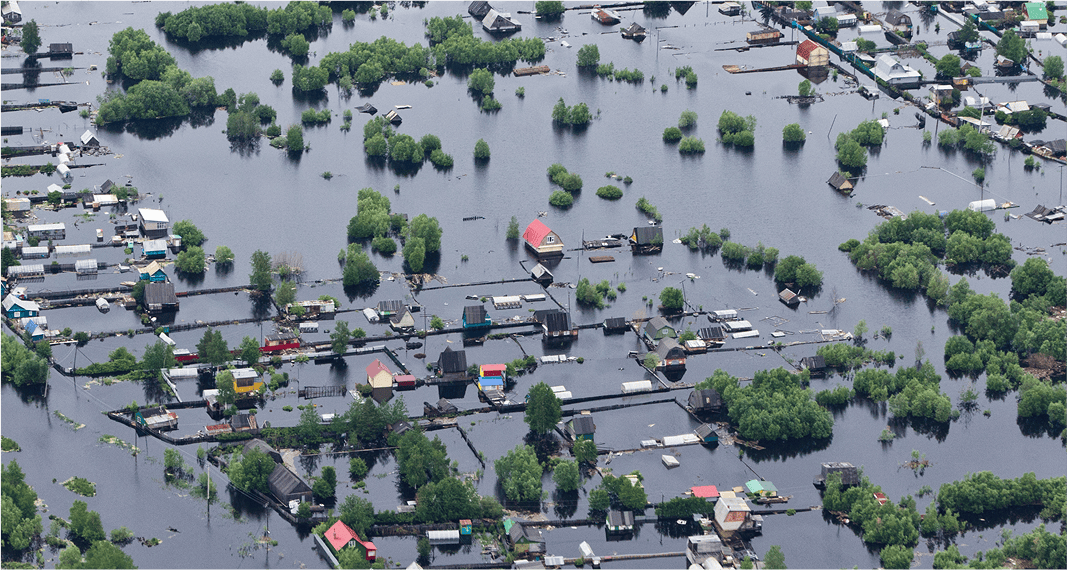
Natural disasters, whether a flood, a wildfire, a tornado or another extreme event, can strike quickly and without warning. When they hit, they often leave damaged or uninhabitable homes and families in shock.
Knowing how to respond in the hours and days that follow can make all the difference between a quick recovery and a chaotic transition. Here is a guide to help you find your bearings if you are facing a natural disaster, or to prepare for the possibility.
⚠️ 1. Top priority: your safety and that of your loved ones
In an emergency:
- Follow the instructions of local authorities (evacuation, shelter in place, etc.)
- Never return to a dangerous site without official approval
- Avoid flooded areas, downed power lines and damaged buildings
Even if you are tempted to “save” belongings, your safety must remain the absolute priority.
2. Contact your insurer as soon as possible
Once you are in a safe place, notify your insurance company quickly. They can:
- Open a claim file
- Appoint an adjuster
- Direct you to resources (accommodation, cleanup, reconstruction)
Keep your important documents with you, along with any evidence (photos, invoices, etc.) of the condition of your home before and after the disaster.
3. Find temporary housing
quickly
Two main options:
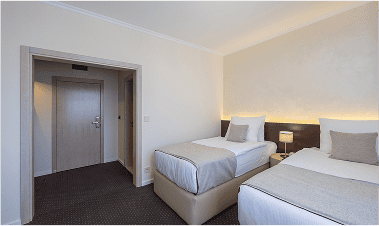
- Hotels: quickly available, but poorly suited to extended stays (cost, limited space)
- Furnished temporary housing: a growing number of specialized companies, such as Kondo, offer all-inclusive homes (furniture, appliances, internet) available for rent for 30 days or more, anywhere in Quebec
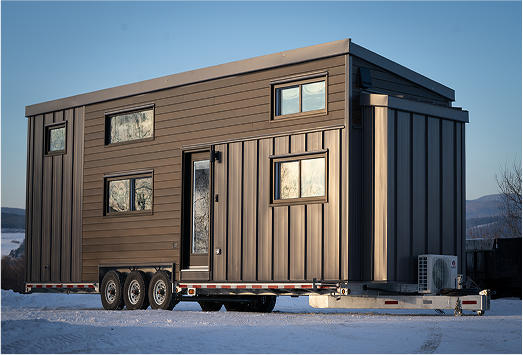
In remote or rural areas, Kondo can even deliver mobile homes directly onto disaster victims’ properties: a turnkey solution to stay close to home, even after a major disaster.

4. Turn to emergency and community resources
Several organizations are on the ground during natural disasters:
- The Red Cross
- Disaster relief centres
- CLSCs (local community service centres) and psychosocial services
- Municipalities (rehousing services, financial assistance)
Don’t stay alone: these resources exist to support you with practical steps, but also emotional ones.
5. Plan what comes next, step by step
Once you are temporarily housed, you can:
- Assess the necessary work with professionals
- Follow the progress of your insurance claim
- Begin the cleanup, repair or reconstruction process
Specialized companies can also help you relocate permanently if returning to your residence is not possible.
In summary: stay calm, get safe, then get support
Going through a natural disaster is overwhelming, but you are not alone. The first steps are crucial: secure everyone’s safety, inform your insurer, find temporary housing, then plan what comes next with the help of professionals.
Companies like Kondo help with this transition by offering flexible emergency housing solutions, anywhere in Quebec, even including mobile homes delivered directly on site, or properties set up in record time thanks to their special projects department.


Are you or your loved ones in a crisis situation?
Contact your insurer and find out about available resources. A quick and dignified relocation is always possible.