
Construction Delays: How to Relocate Your Future Tenants Effectively?

A construction delay can quickly become a source of stress for property owners and future tenants alike. The most effective solution is to offer temporary relocation in furnished, flexible, move-in-ready housing, with a simplified relocation solution to avoid cancellations, preserve the client relationship and protect your future rental income.
Why is a construction delay such a major problem?
A delay in a real estate project is not just a simple schedule shift. It directly affects:
- Tenant trust
- Contractual commitments
- The reputation of the owner or developer
- Revenue streams
In a competitive market like Quebec's, a dissatisfied tenant can easily turn to another option. It is therefore essential to plan ahead and offer an immediate solution.
What is the best solution for relocating your tenants?
1. Opt for furnished temporary housing
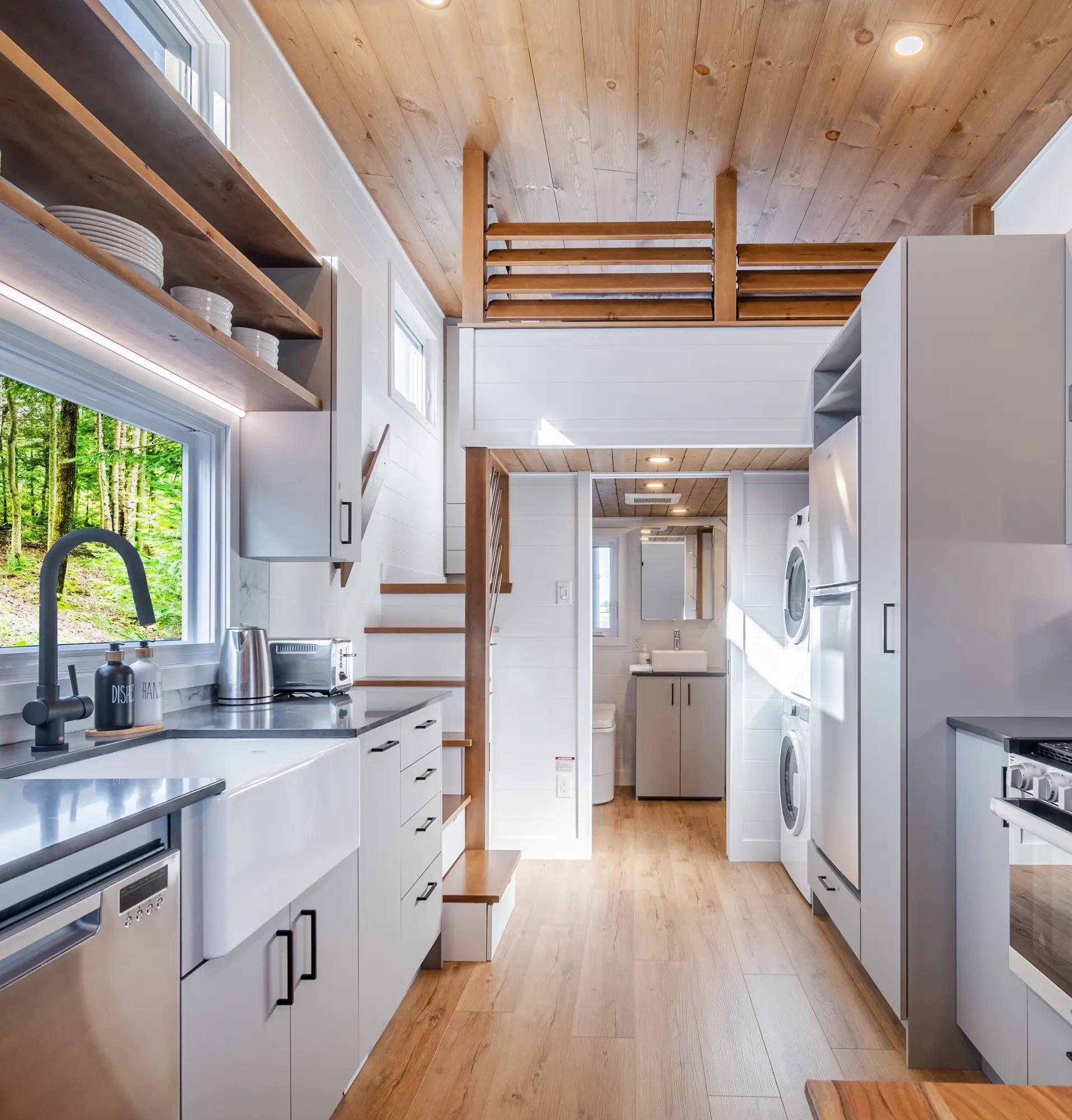
The fastest and most effective solution is to offer Temporary Accommodations in Québec City in the form of turnkey furnished homes. These homes offer:
- Immediate move-in
- No furniture purchase required
- Flexible length of stay
- Comfort equivalent to permanent housing
They perfectly meet the needs of tenants waiting for delivery.

2. Maintain transparent communication
A poorly communicated delay can seriously damage the client relationship.
Take a proactive approach:
- Inform as early as possible
- Give a new, realistic estimate
- Offer concrete solutions
An informed tenant is far more understanding than one caught by surprise.
3. Offer partial or full coverage
To limit drop-outs, it can be wise to cover:
- Part of the temporary rent
- Moving costs
This turns a negative situation into a positive client experience.

Comparison: temporary relocation vs. losing a tenant
| Criterion | Temporary relocation | Losing a tenant |
|---|---|---|
| Revenue | Maintained | Lost |
| Brand image | Strengthened | Damaged |
| Cost | Controlled | High (vacancy + marketing) |
| Client relationship | Retained | Broken |
Conclusion: relocating costs less than losing a tenant.
How much does temporary housing cost in Quebec?
The cost depends on several factors:
- The length of the delay
- The location
- The type of housing
On average in Quebec:
- Furnished studio: $1,500 to $2,500/month
- 1-bedroom apartment: $2,000 to $3,000/month
- 2-bedroom apartment: $2,500 to $4,500/month
Tip
Compare this cost with:
- 1 to 2 months of vacancy
- The cost of re-listing the unit
- The loss of credibility
In the majority of cases, relocation is a profitable investment.

Where can you find reliable relocation housing?
This is where specialized solutions like Kondo Location come in.
This company offers:
- Furnished homes across Quebec
- Flexible rentals (short and medium term)
- A fast solution for urgent situations
- Options suited to individuals and professionals
It is particularly useful in cases of construction delays requiring immediate relocation.
What types of tenants are affected?
1. Future occupants awaiting delivery
They have already signed a lease or bought a property.
2. Professionals on the move
Often in transition between two homes.
3. Families being relocated
In need of stability and temporary comfort.
4. Buyers who sold their home too early
They need housing between two transactions.


How do you organize a stress-free relocation?
Step 1: Assess the length of the delay
Be realistic and build in a safety margin.
Step 2: Identify the tenant's needs
- Number of bedrooms
- Location
- Budget
Step 3: Offer several options
Giving a choice improves satisfaction.
Step 4: Finalize quickly
Speed is key to avoiding uncertainty.
What are the benefits for the owner?
- Lower drop-out rate
- Stronger professional image
- Tenant loyalty
- Better handling of the unexpected
Why is furnished housing the best option?
Unlike an empty rental, it offers:
- A seamless transition
- Immediate comfort
- A turnkey solution
It is particularly well suited to temporary and unforeseen situations.
What are the risks of doing nothing?
Ignoring a delay can lead to:
- Lease cancellation
- Bad online reviews
- Loss of income
- Difficulty re-renting
In a digital market, reputation is a key asset.

FAQ – Construction Delays and Relocation
1. Am I required to rehouse my tenant in case of a delay?
It is not always a legal obligation, but it is strongly recommended to avoid disputes and financial losses.
2. How long can a relocation last?
It depends on the project, but most solutions are flexible, from a few weeks to several months.
3. Who pays for the temporary housing?
It can be shared or fully covered by the owner, depending on the agreements.
4. Do furnished homes include utilities and services?
Yes, most include internet, electricity and sometimes even housekeeping.
5. Can I choose the location of the temporary housing?
Yes, it is generally possible to select an area close to the final home or to the workplace.
6. Is it a cost-effective solution?
Yes, especially compared with losing a tenant and the associated costs.
7. How do I find housing quickly?
Going through a specialized platform saves time and gives you access to vetted options.
Conclusion: turning a problem into an opportunity
A construction delay is unavoidable in some projects, but it shouldn't become a crisis.
By offering fast, flexible and comfortable relocation:
- You protect your income
- You strengthen your image
- You keep your tenants loyal
Take action
If you're facing a construction delay, don't wait for the situation to get more complicated.
Explore furnished housing solutions with Kondo Location today and ensure a smooth transition for your tenants.
Good management today guarantees your real estate success tomorrow.