
Relocating After a Disaster in a Remote Region: What Options Exist?
When a disaster strikes (a fire, major water damage, a landslide or something else), finding temporary housing becomes an urgent priority. For people living in large cities, there are generally several options nearby. But for those living in a remote region, the reality is often very different: few rentals available, long distances, limited infrastructure.
So how can you find housing quickly, comfortably and safely when you live far from major centres?
An even harder situation in a remote region
After a disaster, insurers often offer disaster victims temporary accommodation. But in the more isolated regions of Quebec, available housing is scarce, even nonexistent, and hotels or motels are poorly suited to extended family stays.
Disaster victims can then be forced to move dozens or even hundreds of kilometres from their home — which further complicates their daily lives, their jobs, their children's schooling and the management of repairs at home.
Mobile homes delivered directly to your property: an innovative solution
Kondo, a Quebec company, has developed temporary mobile housing solutions designed precisely for this kind of situation. The principle: deliver a mobile residential unit directly to the disaster victim's property.
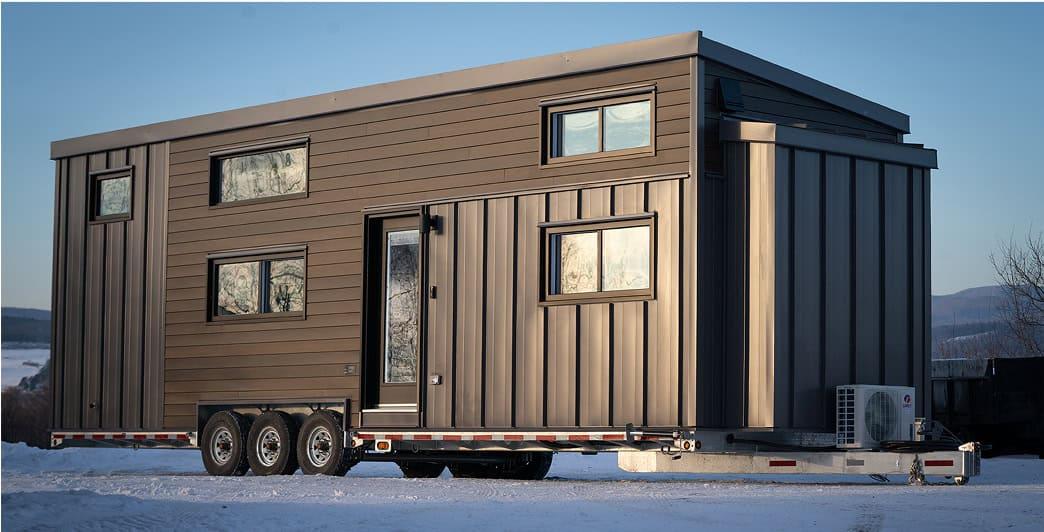

These homes on wheels are generally:
- Fully furnished and equipped (kitchen, bathroom, bedding, appliances)
- Designed to accommodate a family or a couple for several weeks or months
- Installed quickly and connected to existing services
It is an approach increasingly used in Quebec, particularly where it is important for disaster victims to stay close to their community during the work.
Specialized teams to find and set up housing in record time
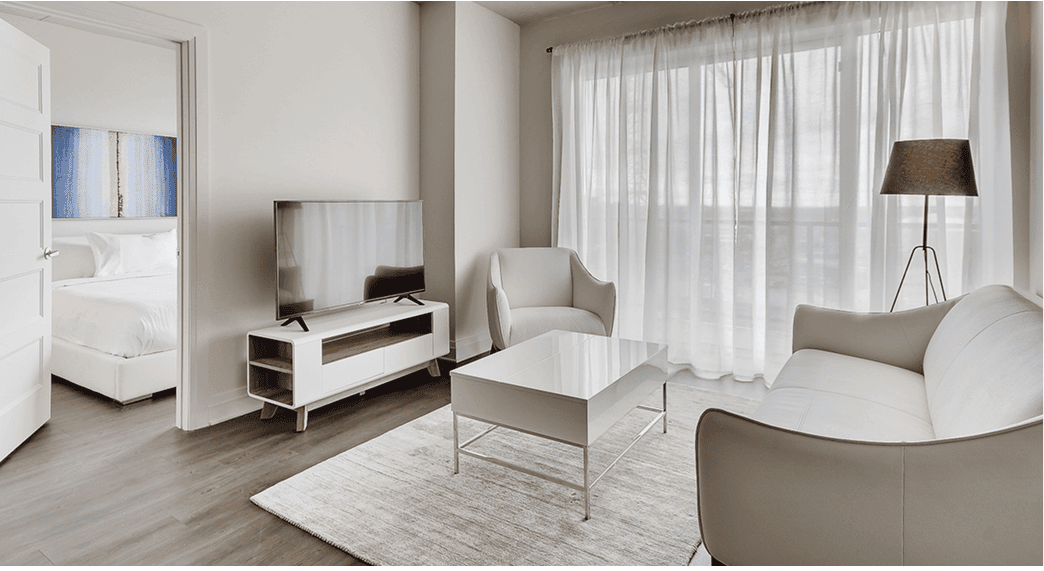
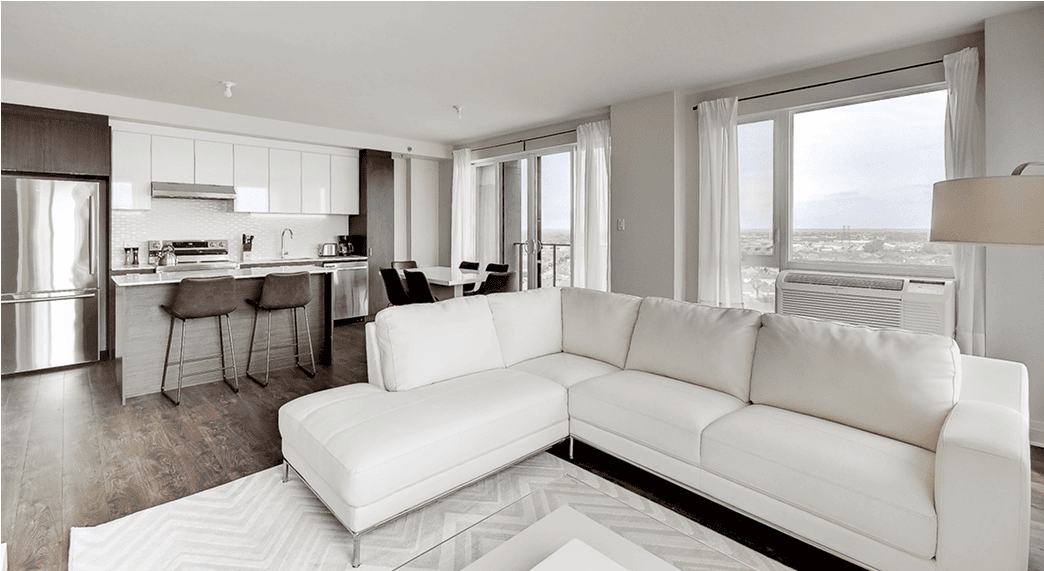
In situations where installing a mobile unit is not possible (restricted access, non-compliant lot, etc.), Kondo also has a department dedicated to rapid relocation. Its role: to find, set up and deliver livable temporary housing within very short timeframes, even in the most remote regions.
This includes:
- Actively searching for an available property
- Mobilizing teams to furnish and equip the space quickly
- Coordinating with insurers to ensure a hassle-free transition for disaster victims.
Conclusion: suitable options, even outside major centres
Being the victim of a disaster is already a shock in itself. When you live in a remote region, the challenge of finding new housing can quickly become an added source of stress. Fortunately, there are now flexible, human solutions adapted to the reality of the regions, ranging from mobile accommodation to express relocation.
For disaster victims, families and insurers, these alternatives are a concrete way to maintain the stability and dignity of those affected, without needlessly uprooting them.